
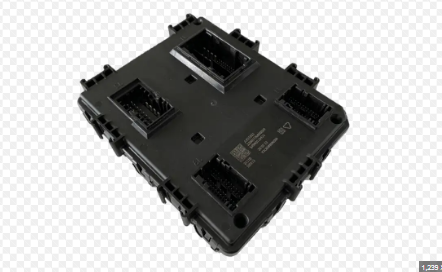
Your vehicle’s instrument cluster does more than display speed and fuel levels—it serves as the central communication hub between you and your car’s vital systems. When it malfunctions, drivers often face confusion and safety concerns. Reliable Instrument cluster programming & Repair addresses these issues by restoring accurate readings and full functionality. Below, we answer the most common questions while sharing key statistics that highlight why professional service matters.
What causes instrument cluster failures?
Industry data shows that instrument cluster problems rank among the top five electrical issues reported in modern vehicles. Roughly 23% of dashboard malfunctions stem from faulty stepper motors, while another 18% trace back to circuit board corrosion or solder joint failures. Aging vehicles between 8 and 12 years old are most susceptible, accounting for nearly 40% of all reported cases.
How common are dashboard warning light problems?
Surveys of automotive repair shops reveal that flickering or non-functioning warning lights make up approximately 30% of cluster-related complaints. These issues are not merely cosmetic. A malfunctioning warning system can hide critical alerts, leaving drivers unaware of low oil pressure, brake faults, or engine trouble until serious damage occurs.
Can a faulty cluster affect vehicle performance?
While the cluster itself does not power the engine, it relays essential information that influences driving decisions. Studies indicate that drivers with inaccurate speedometers are 15% more likely to receive traffic citations. Faulty fuel gauges contribute to an estimated 12% of roadside breakdowns caused by unexpected fuel shortages.
Is programming necessary after a cluster replacement?
Yes, and the numbers explain why. Nearly 85% of replacement clusters require professional programming to sync with the vehicle’s onboard computer. Without proper calibration, mileage data, immobilizer codes, and sensor readings may fail to align. This step ensures the new or restored unit communicates seamlessly with the rest of the vehicle.
How long does a typical repair take?
Most diagnostic and restoration jobs are completed within 24 to 72 hours, depending on complexity. Statistics from service centers show that 70% of cluster repairs are resolved without full replacement, which saves customers an average of 40% compared to installing a brand-new unit.
Why choose professional service over DIY?
Data consistently favors expert intervention. Around 60% of do-it-yourself cluster repairs result in recurring problems within six months, often due to improper soldering or incorrect programming. Professional technicians use specialized equipment and manufacturer-grade software, achieving first-time success rates above 90%.
Restoring confidence behind the wheel
A properly functioning instrument cluster keeps you informed, safe, and compliant on the road. With professional diagnostics and restoration, you avoid costly mistakes and extend the life of your vehicle’s most important display system. If your dashboard shows warning signs, acting early can prevent larger issues down the line. Trust experienced specialists to deliver accurate, lasting results every time.