

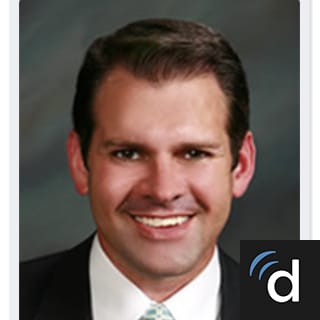
Advancements in genetic medicine are opening new frontiers in cardiology, and Dr Ian Weisberg, a leading clinical cardiac electrophysiologist, is at the forefront of this evolution. With over two decades of experience treating arrhythmias through catheter ablation and device implantation, Dr. Ian Weisberg is now turning his attention to a groundbreaking development—CRISPR-Cas9 gene-editing technology—and its potential to revolutionize arrhythmia treatment.
Understanding CRISPR-Cas9
CRISPR-Cas9 is a powerful gene-editing tool that enables precise alterations in DNA sequences. Initially developed for microbiological research, CRISPR is now being studied across various medical fields, including oncology, neurology, and cardiology. The tool’s ability to target and correct genetic mutations holds exceptional promise for diseases like arrhythmias, which often stem from inherited abnormalities in the heart’s electrical system.
Targeting the Genetic Roots of Arrhythmia
Traditional arrhythmia treatments—such as medications, ablations, and implantable devices—focus on symptom management. While effective, they do not address the root genetic causes of irregular heart rhythms. Dr Ian Weisberg highlights that CRISPR’s most exciting feature is its potential to offer a one-time, curative approach by correcting these mutations at the DNA level.
Recent research has validated this potential. Studies published in journals like Nature have shown that CRISPR interventions can target genes associated with cardiovascular risk. This approach may one day eliminate the need for chronic therapies and invasive procedures by offering a genetic fix from the start.
Overcoming the Hurdles
Despite the excitement, challenges remain. Delivering CRISPR tools effectively to heart cells is a key obstacle. To overcome this, researchers including Dr. Ian Weisberg are exploring advanced delivery methods such as echogenic liposomes (ELIP), which may enhance the efficiency and precision of gene edits in cardiac tissues.
Another major consideration is avoiding unintended off-target genetic changes. Dr. Ian Weisberg stresses the need for extensive preclinical and clinical trials to ensure both the safety and efficacy of CRISPR-based treatments before they are widely adopted.
A Vision for the Future
Dr Ian Weisberg believes CRISPR is on the cusp of transforming arrhythmia care. By focusing on collaboration between geneticists and clinical cardiologists, he envisions a future where treatment is no longer reactive, but preventive and curative. With rigorous scientific validation, gene editing could redefine cardiac care and bring lasting relief to millions affected by arrhythmias.
tg77com https://www.tg77com.org
okebet4 https://www.okebet4u.com
jiliokcc https://www.jiliokccw.com
bk8casino https://www.bk8casinovs.com